
Could better nutrition be the missing piece in wound care?
It is a question Silverchain, in collaboration with researchers from Edith Cowan University’s (ECU’s) Nutrition & Health Innovation, Sir Charles Gairdiner Hospital and Curtin University, are trying to answer as part of a $1 million research program into one of Australia's most overlooked chronic conditions – “Leaky Legs”.
More than a quarter of a million older Australians live with slow-healing venous leg ulcers, commonly known as Leaky Legs, which can persist for years, limiting mobility and independence.
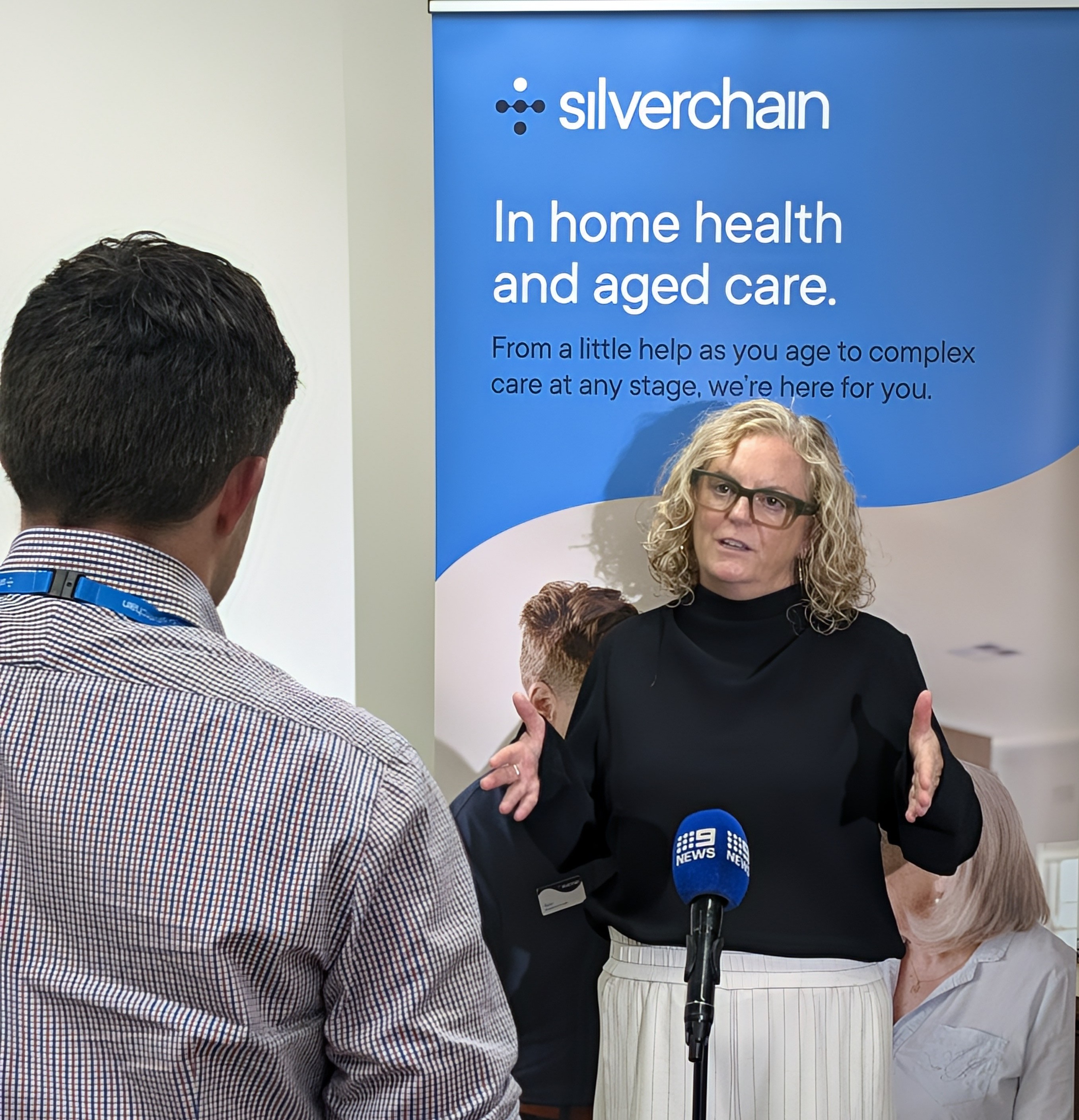
Silverchain's National Director of Research & Evidence, Adjunct Professor Karen Smith, said it's time to turn off the tap on chronic leg wounds.
"Clients usually have an extremely poor quality of life because of limited mobility, pain and discomfort, which can continue for many years," Adj Prof Smith said.
The recurrence and recovery time of these chronic wounds could be significantly reduced, with researchers testing if specially developed everyday foods, packed with nutrition, can speed up healing.
The science is simple but has a real impact: chronic wounds place enormous demands on the body, and constant fluid loss can drain the protein and nutrients needed to heal.
The trial's food menu includes everyday items such as sausage rolls, brownies, gelato, muffins and soups built around five vegetables, one fruit and targeted protein to help replace what is lost through leaking legs.
"This way participants can consume 'supercharged' and delicious whole foods, not supplements or ultra-processed extracts," said ECU's Dr Liezhou Zhong, who leads the university's Future Foods and Digital Gastronomy lab.
"One average sized chocolate brownie contains three serves of vegetables."
Silverchain client Peter, 80, has lived with leg ulcers since he was a teenager and took part in the taste test.
"It was good to see the food in meals I'd eat anyway, like sausage rolls and muffins," Peter said. "The green ice-cream took me by surprise at first, but it actually tasted quite nice."
Peter already receives prepared meals which help him have a balanced diet but says he knows many people receiving care who can't manage that on their own.
Adj Prof Smith acknowledges poor nutrition is one of the quieter drivers of slow healing, and the benefits of this trial could go well beyond the wound itself.
“Chronic wounds in Australia cost our health care system more than $3.9 billion a year. To think that something as simple as more servings of fruit and vegetables, in tasty everyday food items could reduce hospital readmissions and keep people healthier at home for longer is really promising” Adj Prof Smith said.
The trial is now entering its next stage with the recruitment of 75 Silverchain clients who will each receive weekly deliveries of nutrient rich foods, with results expected to shape how chronic wound care is delivered across the country.
Watch the full National Nine News story here.


